When Should You Consult a Hip Replacement Surgeon in Ahmedabad?

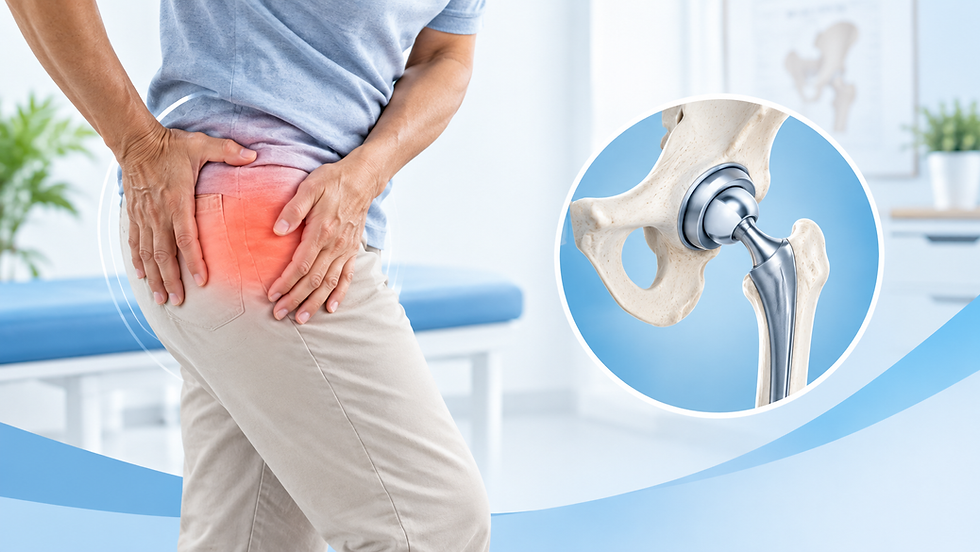
Hip pain can gradually become a part of everyday life, making simple activities such as walking, climbing stairs, sitting, or getting out of bed increasingly difficult. While occasional discomfort may improve with rest or conservative treatment, persistent symptoms may require specialist evaluation. Knowing when to consult a Hip Replacement Surgeon in Ahmedabad can help identify whether the problem is related to advanced joint damage and whether hip replacement may eventually be an appropriate treatment option.
Hip replacement is not the first treatment for every person with hip pain. A specialist generally considers the cause, severity, duration of symptoms, mobility, and response to other treatments before recommending surgery.
Persistent Hip Pain That Does Not Improve
One of the most common reasons to seek an orthopedic evaluation is hip pain that continues despite appropriate treatment.
Pain may initially occur after walking or physical activity but can gradually become more frequent. If rest, prescribed medicines, physiotherapy, activity modification, or other conservative approaches are no longer providing sufficient relief, further evaluation may be needed.
Persistent pain can be associated with osteoarthritis, cartilage deterioration, previous injuries, certain inflammatory conditions, or other problems affecting the hip joint.
Difficulty Walking or Moving Normally
A healthy hip allows the leg to move smoothly in several directions. When the joint becomes significantly damaged, normal movement may become uncomfortable or restricted.
You may notice difficulty with:
Walking for longer distances
Climbing stairs
Standing for extended periods
Getting in and out of a chair
Getting into or out of a vehicle
Putting on socks or shoes
Bending the hip
When these difficulties begin interfering with everyday activities, an orthopedic assessment can help determine the extent of the problem.
Hip Pain That Affects Your Sleep
Pain that regularly disturbs sleep should not be ignored. Advanced hip joint problems can sometimes cause discomfort even when you are resting.
You may have difficulty finding a comfortable sleeping position or wake up several times because of hip pain. If this continues despite appropriate measures, consulting a specialist can help determine whether additional treatment is necessary.
Poor sleep caused by chronic pain can also affect energy, concentration, mood, and overall quality of life.
Increasing Stiffness and Reduced Hip Movement
Stiffness is another symptom that may indicate progressive joint problems. You might notice that movements that were previously easy have become increasingly difficult.
For example, rotating the leg, bending the hip, or crossing your legs may become uncomfortable. Reduced movement can also affect the way you walk and place additional stress on other joints.
A specialist can examine the range of motion and determine whether stiffness is associated with joint degeneration or another condition.
Pain That Changes the Way You Walk
Hip problems can gradually alter your walking pattern. You may begin taking shorter steps, avoiding pressure on one side, or developing a limp because of discomfort.
Changes in walking mechanics can place additional stress on the knees, lower back, and opposite hip. If you notice a persistent change in your walking pattern along with hip pain, an orthopedic evaluation may be helpful.
Understanding the cause early can help determine whether the condition can be managed without surgery or whether more advanced treatment should be considered.
Conservative Treatments Are No Longer Providing Relief
Many hip conditions can initially be managed without surgery. Depending on the cause, treatment may include physiotherapy, medications, exercises, weight management, activity modification, or other non-surgical approaches.
However, these treatments may become less effective when there is significant damage to the joint.
If symptoms continue despite appropriate conservative treatment, a specialist can reassess the condition and discuss available options. You can also explore hip replacement treatment to understand when surgery may be considered and what it involves.
Daily Activities Are Becoming Difficult
The decision to consider hip replacement is not based only on the amount of pain you experience. The effect of the condition on your daily life is also important.
If hip pain prevents you from walking comfortably, working normally, exercising, travelling, or performing household activities, it may be time to seek specialist advice.
Some people gradually reduce their activities to avoid pain without realizing how much their condition has affected their lifestyle. A proper evaluation can help identify suitable treatment options.
Hip Pain After a Previous Injury
A previous hip injury can sometimes contribute to long-term joint problems. Fractures, dislocations, or other significant injuries may damage the structures within or around the joint.
If you develop persistent pain, stiffness, reduced movement, or difficulty walking after an injury, an orthopedic assessment can help determine whether there is lasting joint damage.
Not every post-injury hip problem requires replacement surgery, but ongoing symptoms should be properly evaluated.
How Is the Need for Hip Replacement Determined?
Before recommending hip replacement, a specialist generally reviews your medical history and symptoms and performs a physical examination. Imaging tests, particularly X-rays, may be used to assess the condition of the hip joint.
The evaluation may consider joint-space narrowing, bone changes, alignment, mobility, and other signs of degeneration. However, imaging findings are considered alongside symptoms and functional limitations.
This is important because the severity seen on an X-ray does not always correspond exactly to how much pain or disability a person experiences.
When Should You Seek a Specialist Evaluation?
You do not necessarily need to wait until hip pain becomes severe before seeking professional advice. If persistent hip pain is affecting your sleep, mobility, work, exercise, or everyday activities, an evaluation can help clarify the cause.
Consulting a Hip Replacement Doctor in Ahmedabad does not automatically mean that you will need surgery. The specialist may recommend continued non-surgical treatment, additional testing, or other options depending on your condition.
If joint damage is advanced and symptoms significantly affect your quality of life, hip replacement may be discussed as one possible treatment.
Making an Informed Treatment Decision
Hip replacement is a major procedure, so the decision should be individualized. Age alone does not determine whether someone is suitable for surgery. Symptoms, joint damage, general health, mobility, activity requirements, and the response to previous treatments all need to be considered.
If persistent hip pain is limiting your normal activities or progressively affecting your mobility, seeking an orthopedic evaluation can be an important step. A detailed assessment can help you understand the cause of your symptoms and whether conservative treatment or hip replacement is more appropriate for your situation.


Comments